Buy balkangrill.eu ?
We are moving the project
balkangrill.eu .
Are you interested in purchasing the domain
balkangrill.eu ?
domain@kv-gmbh.de · 0541-91531010
Buy balkangrill.eu ?
How can one melt brass with charcoal?
To melt brass with charcoal, you would need to create a hot enough fire to reach the melting point of brass, which is around 1,650-1,700°F (900-930°C). This can be achieved by building a charcoal fire in a furnace or a crucible, and then adding the brass to the fire. The charcoal will provide the heat necessary to melt the brass, and it's important to ensure that the fire is well-ventilated to allow for proper combustion. It's also important to use proper safety precautions and protective gear when working with high temperatures and molten metal. **
How can brass be melted with charcoal?
Brass can be melted with charcoal by creating a hot enough fire using charcoal as the fuel source. The charcoal needs to be burned at a high temperature to generate enough heat to melt the brass, which has a melting point of around 1700-1800°F. The brass can be placed in a crucible or container within the fire, and as the charcoal burns, it will transfer its heat to the brass, eventually melting it. It is important to ensure proper ventilation and safety measures are in place when working with molten metals. **

Similar search terms for Brass
Top-Angebote
Products related to Brass:
-
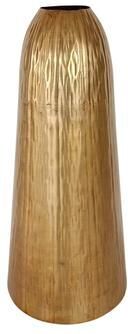
BIDK Home "Hammered Vase Brass/Black Dia 8.66""- ST - Brass/black - Brass/black"Crafted with quality materials and featuring elegant designs, these vases serve as versatile accents for displaying fresh flowers or enhancing the aesthetic appeal of any room.50,60 $*Shipping: 0,00 $Secure redirect to the provider

-
What is brass?
Brass is a metal alloy made primarily of copper and zinc. It is known for its gold-like appearance and is commonly used in musical instruments, decorative items, and plumbing fixtures. Brass is valued for its durability, malleability, and resistance to corrosion, making it a popular choice for a wide range of applications. **
-
'Copper or brass?'
The choice between copper and brass depends on the specific application and requirements. Copper is known for its excellent conductivity and corrosion resistance, making it suitable for electrical wiring and plumbing. On the other hand, brass is a copper alloy that contains zinc, providing it with added strength and machinability. Brass is often used for decorative purposes, as well as in applications where a combination of strength and corrosion resistance is needed. Ultimately, the decision between copper and brass will depend on the specific properties and performance needed for the given application. **
-
Does brass rust?
Brass does not rust in the same way that iron or steel does. This is because brass is an alloy of copper and zinc, and does not contain iron. However, brass can develop a patina over time, which is a greenish or brownish film that forms on the surface due to oxidation. This patina is a natural process and can actually protect the brass from further corrosion. If the patina is not desired, it can be removed with polishing or cleaning. **
-
Is a brass faucet compatible with a red brass faucet extension?
Yes, a brass faucet is compatible with a red brass faucet extension. Both brass and red brass are types of brass alloys, so they are compatible with each other. The color difference between the two should not affect their compatibility or functionality. As long as the sizes and threading of the faucet and extension match, they should work together seamlessly. **
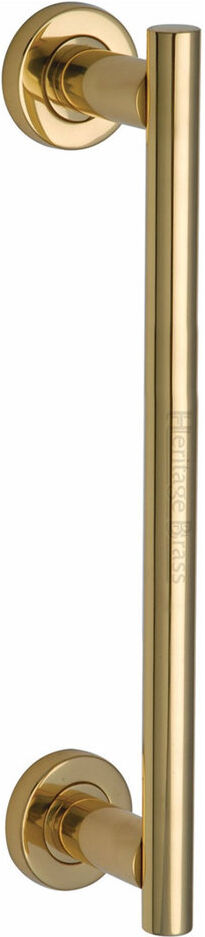

How does brass tarnish?
Brass tarnishes when it is exposed to air and moisture, causing a chemical reaction that forms a layer of corrosion on the surface. This corrosion is typically a combination of copper oxide and copper carbonate, which gives the brass a dull, discolored appearance. The tarnishing process can be accelerated by exposure to pollutants, oils, and acidic substances. Regular cleaning and polishing can help prevent and remove tarnish from brass surfaces. **
What are brass instruments?
Brass instruments are a family of musical instruments that produce sound by vibrating the player's lips against a metal mouthpiece. They are typically made of brass or other metals and are characterized by their bright, bold sound. Common examples of brass instruments include the trumpet, trombone, French horn, and tuba. These instruments are often used in classical, jazz, and popular music genres. **
Top-Angebote
Products related to Brass:
-
Royal Gourmet TS1601 13In Stainless Steel Reusable Kebab Skewers (Set of 12) for Grilling, with Storage Pouch, SilverStill fret about those splintery bamboo sticks messily scattered around BBQ parties, let’s replace them with our mess-free Royal Gourmet TS1601 13-Inch BBQ Flat Kebab Skewers.20,29 $*Shipping: 0,00 $Secure redirect to the provider
-
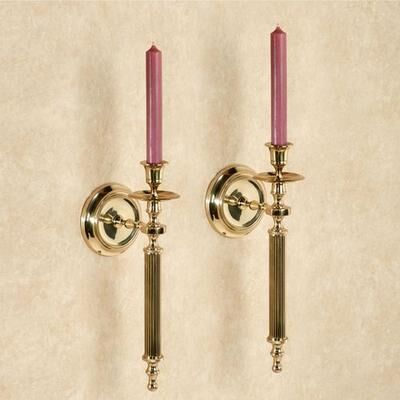
Dessau Brass Inc Vienne Brass Wall Sconce Pair Polished Brass, Pair, Polished BrassSoften the ambience in any room with the candle glow from the Vienne Taper Wall Sconce Pair. Handcrafted of solid brass and hand-finished in lacquered, polished brass, these fluted wall sconces have a round backplate. Each holds your standard taper...95,99 $*Shipping: 0,00 $Secure redirect to the provider
-
BIDK Home "Hammered Vase Brass/Black Dia 8.66""- ST - Brass/black - Brass/black"Crafted with quality materials and featuring elegant designs, these vases serve as versatile accents for displaying fresh flowers or enhancing the aesthetic appeal of any room.50,60 $*Shipping: 0,00 $Secure redirect to the provider
-
How can one melt brass with charcoal?
To melt brass with charcoal, you would need to create a hot enough fire to reach the melting point of brass, which is around 1,650-1,700°F (900-930°C). This can be achieved by building a charcoal fire in a furnace or a crucible, and then adding the brass to the fire. The charcoal will provide the heat necessary to melt the brass, and it's important to ensure that the fire is well-ventilated to allow for proper combustion. It's also important to use proper safety precautions and protective gear when working with high temperatures and molten metal. **
-
How can brass be melted with charcoal?
Brass can be melted with charcoal by creating a hot enough fire using charcoal as the fuel source. The charcoal needs to be burned at a high temperature to generate enough heat to melt the brass, which has a melting point of around 1700-1800°F. The brass can be placed in a crucible or container within the fire, and as the charcoal burns, it will transfer its heat to the brass, eventually melting it. It is important to ensure proper ventilation and safety measures are in place when working with molten metals. **
-
What is brass?
Brass is a metal alloy made primarily of copper and zinc. It is known for its gold-like appearance and is commonly used in musical instruments, decorative items, and plumbing fixtures. Brass is valued for its durability, malleability, and resistance to corrosion, making it a popular choice for a wide range of applications. **
-
'Copper or brass?'
The choice between copper and brass depends on the specific application and requirements. Copper is known for its excellent conductivity and corrosion resistance, making it suitable for electrical wiring and plumbing. On the other hand, brass is a copper alloy that contains zinc, providing it with added strength and machinability. Brass is often used for decorative purposes, as well as in applications where a combination of strength and corrosion resistance is needed. Ultimately, the decision between copper and brass will depend on the specific properties and performance needed for the given application. **
Similar search terms for Brass
-
Drop Dash Deals Brass Sledge Hammer With Non Sparking Solid Brass Head Brass Sledge Hammer With Non Sparking Solid Brass HeadGet confident, controlled striking power without the worry of unwanted sparks. This 1 pc of non sparking hammer is built for mechanics, metalworkers, DIYers, and pros who need reliable force in tight or sensitive work areas. Its 1 pound sledge...85,97 $*Shipping: 0,00 $Secure redirect to the provider
-
Does brass rust?
Brass does not rust in the same way that iron or steel does. This is because brass is an alloy of copper and zinc, and does not contain iron. However, brass can develop a patina over time, which is a greenish or brownish film that forms on the surface due to oxidation. This patina is a natural process and can actually protect the brass from further corrosion. If the patina is not desired, it can be removed with polishing or cleaning. **
-
Is a brass faucet compatible with a red brass faucet extension?
Yes, a brass faucet is compatible with a red brass faucet extension. Both brass and red brass are types of brass alloys, so they are compatible with each other. The color difference between the two should not affect their compatibility or functionality. As long as the sizes and threading of the faucet and extension match, they should work together seamlessly. **
-
How does brass tarnish?
Brass tarnishes when it is exposed to air and moisture, causing a chemical reaction that forms a layer of corrosion on the surface. This corrosion is typically a combination of copper oxide and copper carbonate, which gives the brass a dull, discolored appearance. The tarnishing process can be accelerated by exposure to pollutants, oils, and acidic substances. Regular cleaning and polishing can help prevent and remove tarnish from brass surfaces. **
-
What are brass instruments?
Brass instruments are a family of musical instruments that produce sound by vibrating the player's lips against a metal mouthpiece. They are typically made of brass or other metals and are characterized by their bright, bold sound. Common examples of brass instruments include the trumpet, trombone, French horn, and tuba. These instruments are often used in classical, jazz, and popular music genres. **
* All prices are inclusive of VAT and, if applicable, plus shipping costs. The offer information is based on the details provided by the respective shop and is updated through automated processes. Real-time updates do not occur, so deviations can occur in individual cases. ** Note: Parts of this content were created by AI.