Buy balkangrill.eu ?
We are moving the project
balkangrill.eu .
Are you interested in purchasing the domain
balkangrill.eu ?
domain@kv-gmbh.de · 0541-91531010
Buy balkangrill.eu ?
Would infinitive?
Yes, infinitives are a form of a verb that is not conjugated to show tense, person, or number. They are often used after certain verbs like "to be," "to want," or "to need." Infinitives can also be used as nouns, adjectives, or adverbs in a sentence. **
What is an infinitive clause? What is an infinitive?
An infinitive clause is a group of words that includes an infinitive and its associated words, such as objects or modifiers. An infinitive is the base form of a verb, typically preceded by the word "to" (e.g. to run, to eat, to study). Infinitive clauses can function as nouns, adjectives, or adverbs within a sentence, and they are often used to express purpose, intention, or result. **


Similar search terms for Infinitive
Top-Angebote
Products related to Infinitive:
-
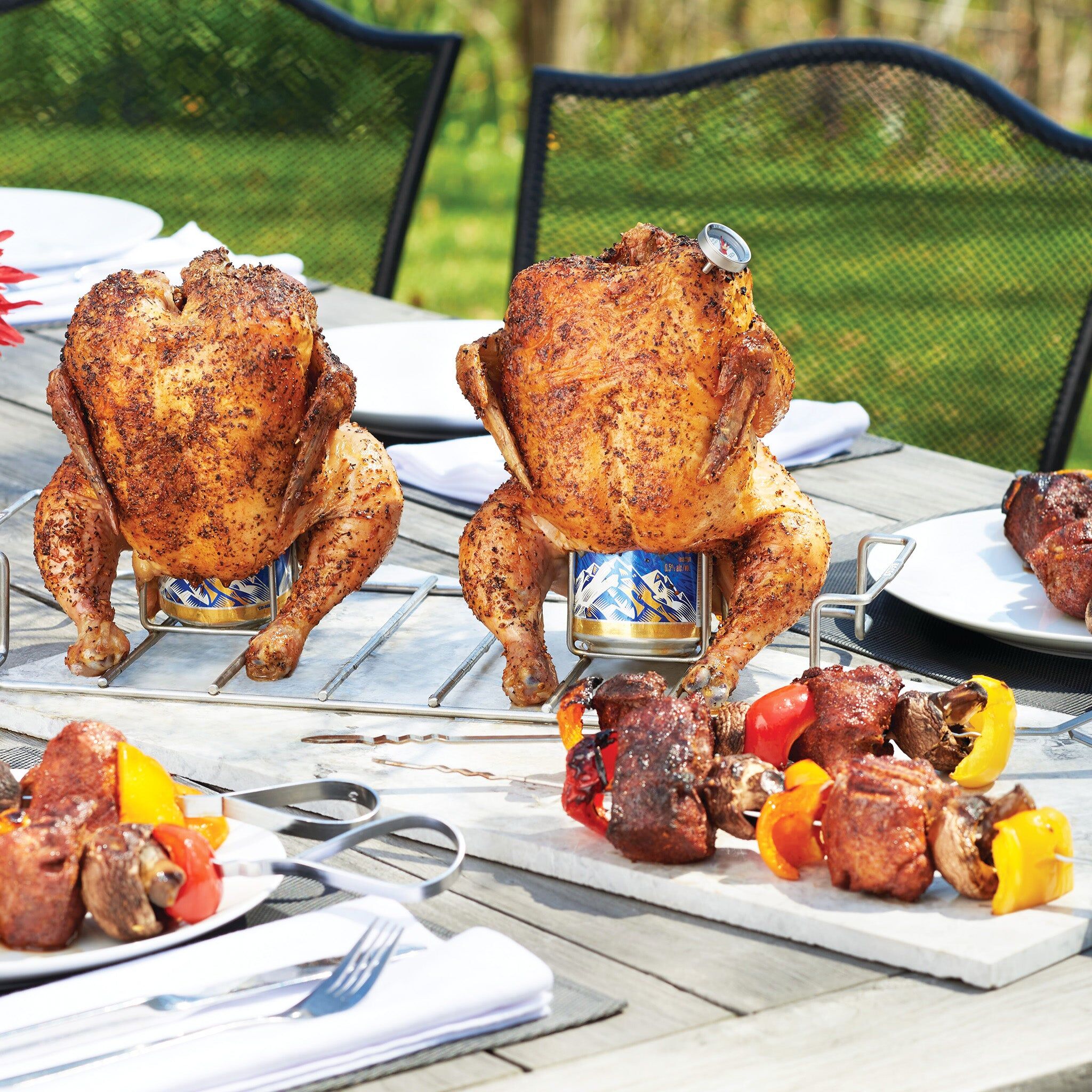
Napoleon Multi Functional Skewers (8 Pack)Create perfect portions with Napoleon's Eight Stainless Steel Multifunctional Skewers. These reusable skewers are made with dishwasher safe stainless steel to provide years of delicious feasts. Custom made meals are easy, slide your favorite meats and veggies onto these skewers. Cook over direct heat for perfect sear marks, or use indirect grilling for a more slow roasted and tender service. Never worry about your food sliding off and falling into the grill. The ridged ends keep whatever you skewered secure, for perfect grilling. You'll never run out of ideas for an easy meal with Napoleon's Eight Stainless Steel Multifunctional Skewers.35,00 £*Shipping: 4,99 £Secure redirect to the provider
-
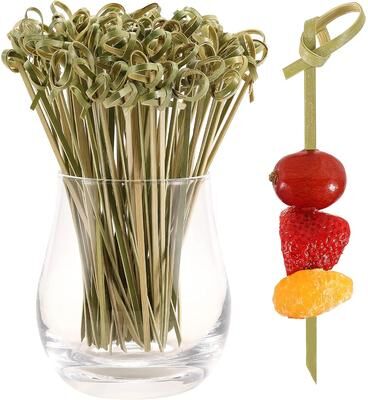
The Handy Homestead Natural Bamboo Cocktail Picks & Knot Skewers Garnish Sticks For Drinks, Fruit, Charcuterie Natural Bamboo Cocktail Picks & Knot Skewers Garnish Sticks For Drinks, Fruit, CharcuterieTransform every gathering into a stylish, memorable experience with these 100pcs highquality bamboo cocktail picks your guests will notice. Crafted from smooth, durable natural bamboo, these picks make appetizers and drinks look beautifully...34,97 $*Shipping: 0,00 $Secure redirect to the provider
-
Revolution Toastie Press – Toaster Sandwich Maker for Grilled Cheese, Paninis, Quesadillas & MeltsThe Revolution Toastie Press transforms your toaster into a quick and easy sandwich maker for perfectly toasted grilled cheese, paninis, quesadillas, melts, and more.79,95 $*Shipping: 0,00 $Secure redirect to the provider


-
What is the difference between "arreter de + Infinitive" and "s'arreter + Infinitive"?
The difference between "arreter de + Infinitive" and "s'arreter + Infinitive" lies in the subject of the action. "Arreter de + Infinitive" means to stop doing something, where the subject is external and stops someone or something from doing an action. On the other hand, "s'arreter + Infinitive" means to stop oneself from doing something, where the subject is internal and refers to someone stopping their own action. **
-
What is the infinitive?
The infinitive is the base form of a verb, typically preceded by the word "to" (e.g., to run, to eat). It is the most basic form of the verb and is used in various ways in English grammar, such as to express purpose, obligation, or future actions. The infinitive can also be used without the word "to" in certain constructions, known as bare infinitives (e.g., I must go, let him eat). **
-
What form is the infinitive?
The infinitive is the base form of a verb, typically preceded by the word "to" (e.g. to run, to eat). It is used to express purpose, intention, or potential actions. In English, infinitives can function as nouns, adjectives, or adverbs within a sentence. **
-
What is the perfect infinitive?
The perfect infinitive is a verb form that is used to show an action that was completed before the main verb in the sentence. It is formed by using 'to have' followed by the past participle of the main verb. For example, in the sentence "She seems to have finished her homework," 'to have finished' is the perfect infinitive. This form is commonly used to indicate actions that happened in the past relative to the main verb. **


What is an infinitive example?
An infinitive example is a verb form that is typically preceded by the word "to" (e.g. to run, to eat, to sleep). It is the base form of the verb and is used in a variety of ways in English grammar, such as to express purpose, intention, or obligation. Infinitive examples can also be used as subjects, objects, or complements in a sentence. **
Is it in the infinitive?
No, the sentence does not contain an infinitive. **
Top-Angebote
Products related to Infinitive:
-
Royal Gourmet TS1601 13In Stainless Steel Reusable Kebab Skewers (Set of 12) for Grilling, with Storage Pouch, SilverStill fret about those splintery bamboo sticks messily scattered around BBQ parties, let’s replace them with our mess-free Royal Gourmet TS1601 13-Inch BBQ Flat Kebab Skewers.20,29 $*Shipping: 0,00 $Secure redirect to the provider
-
El Yucateco Habanero & Grilled PineappleThis sauce offers a harmonious fusion of sweet, smoky, and spicy flavours, creating a distinctive taste profile that adds a tropical flair to your dishes. It's incredibly versatile, enhancing a wide range of foods. Also can be used for citrus desserts or cocktails. The unique combination of roasted pineapple and habanero achieves a delightful balance between sweetness and saltiness for the best taste experience.3,85 £*Shipping: 3,90 £Secure redirect to the provider
-
Napoleon Multi Functional Skewers (8 Pack)Create perfect portions with Napoleon's Eight Stainless Steel Multifunctional Skewers. These reusable skewers are made with dishwasher safe stainless steel to provide years of delicious feasts. Custom made meals are easy, slide your favorite meats and veggies onto these skewers. Cook over direct heat for perfect sear marks, or use indirect grilling for a more slow roasted and tender service. Never worry about your food sliding off and falling into the grill. The ridged ends keep whatever you skewered secure, for perfect grilling. You'll never run out of ideas for an easy meal with Napoleon's Eight Stainless Steel Multifunctional Skewers.35,00 £*Shipping: 4,99 £Secure redirect to the provider
-
The Handy Homestead Natural Bamboo Cocktail Picks & Knot Skewers Garnish Sticks For Drinks, Fruit, Charcuterie Natural Bamboo Cocktail Picks & Knot Skewers Garnish Sticks For Drinks, Fruit, CharcuterieTransform every gathering into a stylish, memorable experience with these 100pcs highquality bamboo cocktail picks your guests will notice. Crafted from smooth, durable natural bamboo, these picks make appetizers and drinks look beautifully...34,97 $*Shipping: 0,00 $Secure redirect to the provider
-
Would infinitive?
Yes, infinitives are a form of a verb that is not conjugated to show tense, person, or number. They are often used after certain verbs like "to be," "to want," or "to need." Infinitives can also be used as nouns, adjectives, or adverbs in a sentence. **
-
What is an infinitive clause? What is an infinitive?
An infinitive clause is a group of words that includes an infinitive and its associated words, such as objects or modifiers. An infinitive is the base form of a verb, typically preceded by the word "to" (e.g. to run, to eat, to study). Infinitive clauses can function as nouns, adjectives, or adverbs within a sentence, and they are often used to express purpose, intention, or result. **
-
What is the difference between "arreter de + Infinitive" and "s'arreter + Infinitive"?
The difference between "arreter de + Infinitive" and "s'arreter + Infinitive" lies in the subject of the action. "Arreter de + Infinitive" means to stop doing something, where the subject is external and stops someone or something from doing an action. On the other hand, "s'arreter + Infinitive" means to stop oneself from doing something, where the subject is internal and refers to someone stopping their own action. **
-
What is the infinitive?
The infinitive is the base form of a verb, typically preceded by the word "to" (e.g., to run, to eat). It is the most basic form of the verb and is used in various ways in English grammar, such as to express purpose, obligation, or future actions. The infinitive can also be used without the word "to" in certain constructions, known as bare infinitives (e.g., I must go, let him eat). **
Similar search terms for Infinitive
-
Revolution Toastie Press – Toaster Sandwich Maker for Grilled Cheese, Paninis, Quesadillas & MeltsThe Revolution Toastie Press transforms your toaster into a quick and easy sandwich maker for perfectly toasted grilled cheese, paninis, quesadillas, melts, and more.79,95 $*Shipping: 0,00 $Secure redirect to the provider
-
What form is the infinitive?
The infinitive is the base form of a verb, typically preceded by the word "to" (e.g. to run, to eat). It is used to express purpose, intention, or potential actions. In English, infinitives can function as nouns, adjectives, or adverbs within a sentence. **
-
What is the perfect infinitive?
The perfect infinitive is a verb form that is used to show an action that was completed before the main verb in the sentence. It is formed by using 'to have' followed by the past participle of the main verb. For example, in the sentence "She seems to have finished her homework," 'to have finished' is the perfect infinitive. This form is commonly used to indicate actions that happened in the past relative to the main verb. **
-
What is an infinitive example?
An infinitive example is a verb form that is typically preceded by the word "to" (e.g. to run, to eat, to sleep). It is the base form of the verb and is used in a variety of ways in English grammar, such as to express purpose, intention, or obligation. Infinitive examples can also be used as subjects, objects, or complements in a sentence. **
-
Is it in the infinitive?
No, the sentence does not contain an infinitive. **
* All prices are inclusive of VAT and, if applicable, plus shipping costs. The offer information is based on the details provided by the respective shop and is updated through automated processes. Real-time updates do not occur, so deviations can occur in individual cases. ** Note: Parts of this content were created by AI.